Do Driving Modes in the Cadillac Lyriq Change Range or Battery Consumption?
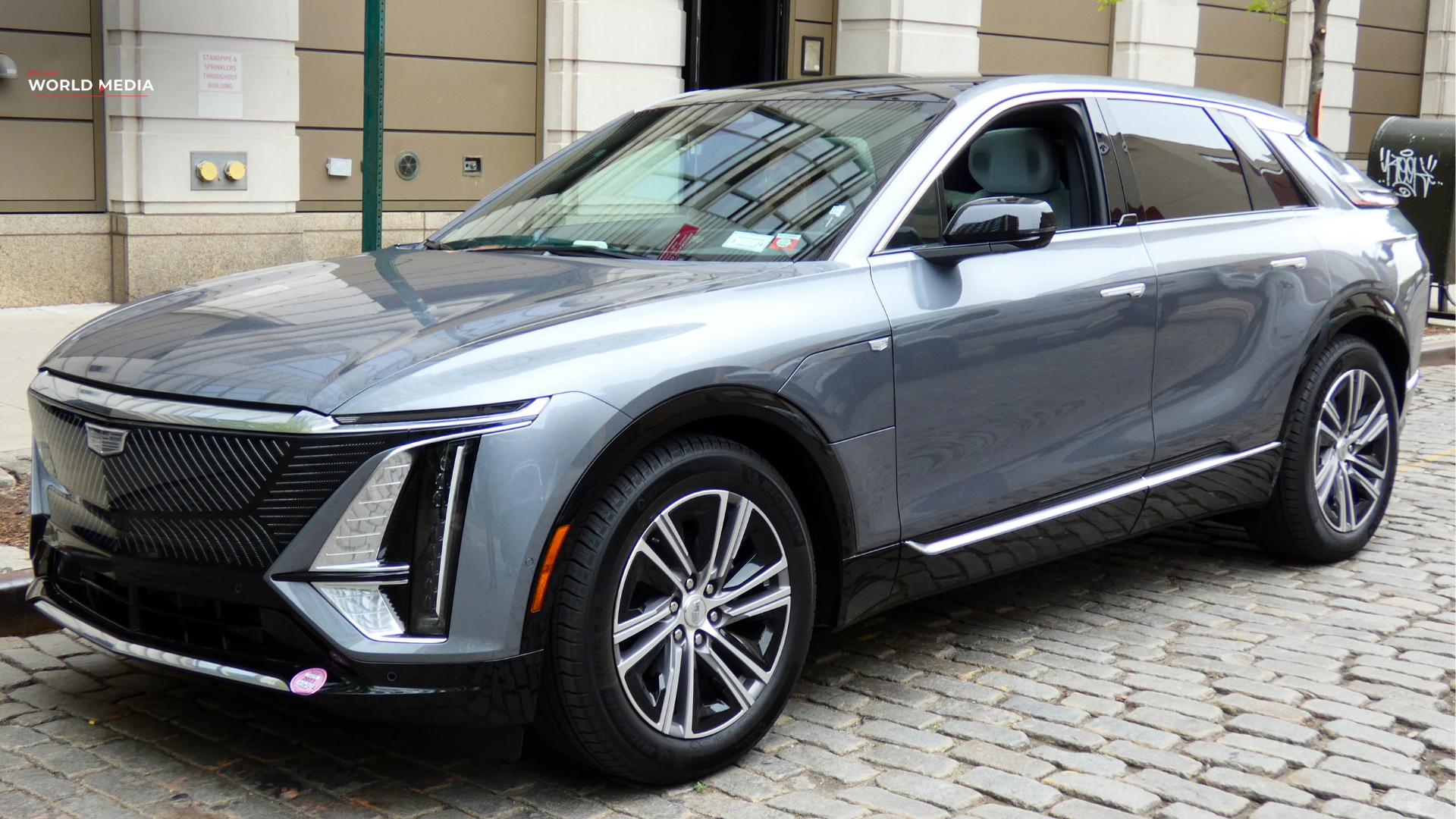
While efficiency is at the forefront of the design of electric vehicles, there are still drivers who want to know how much control they really have over battery performance. One of the most common questions among Cadillac Lyriq drivers is whether there is an effect on battery range or battery consumption between drive modes, and the short answer is yes; however, probably not in the way the driver would think. Driving modes do change the way the battery uses its energy based on how it is used. The understanding of that relationship is very important for understanding why the estimated range will change for the same battery percentage. This understanding provides drivers with the ability to make better decisions about how to maximise each charge.
Do Driving Modes Affect Range?
The Cadillac Lyriq's driving mode will impact how far you can drive and how quickly your car's battery discharges (consumes) energy. The overall energy storage capacity of the battery will remain the same, regardless of what driving mode you choose. The only variable will be the rate at which your Cadillac consumes energy from a full battery.
As an example, if you choose a more performance-oriented driving mode, your car will consume its energy faster because it will be providing you with quicker acceleration and more responsive handling. On the other hand, if you choose an efficiency-oriented driving mode, your car will consume less energy by requiring less aggressive power delivery and optimising your vehicle's energy usage so that you can drive farther on a single charge.
In other words, your driving mode is just a "behaviour setting" for your car, determining how much energy you use rather than how much is available.
Understanding How Driving Modes Work
In the Cadillac Lyriq, your driving modes are basically a configuration of software settings that modify multiple parts or systems at once. Driving modes do not change any aspects of the vehicle’s hardware, but instead, they change how the vehicle will respond based on the driver’s pedalling input and the road conditions.
When you change driving mode, the vehicle’s system will recalibrate many of the performance parameters associated with throttle sensitivity, the strength of the regenerative braking, the feel of the steering, and the distribution of torque. Each of these affects how efficiently the vehicle will be able to use its battery.
For example, with a more sensitive throttle, the driver will have less pedal input to go from 0 to 60 mph, and therefore, may use more energy. Conversely, with a more robust regenerative braking system, the driver can recycle more energy with the correction from a stop, and slightly improve the overall efficiency of the vehicle. Consequently, these types of adjustments result in
very different driving experiences and battery discharge.
Overview of Cadillac Lyriq Driving Modes
1. Tour Mode (Default)
The Cadillac Lyriq's standard driving setting, called tour mode, is designed for balanced, everyday use with smooth acceleration, moderate regenerative braking and consistent power delivery - while being perfect for city commuting or highway driving. Giving preference to efficiency without sacrificing comfort, this mode generally provides the best range overall. The tour aims at reducing energy spikes as much as possible and uses the electric system steadily and evenly, thereby enabling the sustainable operation of an electric vehicle. Most competing automobiles are attempting to provide an optimal compromise between performance and efficiency through the use of this mode.
2. Sport Mode
By activating Sport mode, your Lyriq becomes a more performance-oriented vehicle as it provides enhanced throttle response as well as better acceleration, resulting in a more dynamic and exciting driving experience for drivers who like quick take-off and responsive handling. In contrast, the increased performance that occurs when using Sport Mode consumes greater amounts of energy, thus improving product performance, while at the same time reducing range and versatility for the consumer driving the vehicle. Therefore, when using Sport Mode frequently throughout the day (i.e., in heavy traffic or under conditions where aggressive driving occurs), your vehicle’s battery capacity will be impacted and potentially significantly reduce the distance or range (number of miles) available for each charge, depending upon each driver’s personal experience; ranging considerably between drivers based upon their individual use of Sport Mode.
3. Snow/Ice Mode
The Snow/Ice mode is meant to enhance safety and stable driving ability in conditions where traction is low. Throttle response is softened to allow for gradual acceleration, and the power delivery has been controlled to minimise wheelspinning due to slipperiness on the road (such as snow, ice, or wet pavement). While increasing efficiency is not the main purpose of the mode, it should consume more or less the same amount of energy to operate per trip. Due to the smoother method of delivering power, energy spikes may be reduced, but the travelling range will vary based on external factors such as temperature and road friction.
4. My Mode (Custom Mode)
My mode permits drivers to design their personal driving experience by altering settings such as steering feel, throttle response, and brake settings; thus, making it one of the most adaptable driving modes available in the Lyriq.
The effect on the range in My Mode has everything to do with its setup. For instance, if the My Mode configurations are all focused on comfort and efficiency, you can expect to achieve similar results to what you would get from Tour Mode. On the other hand, if My Mode is set up primarily for performance, the energy consumption will be more similar to what you would find with Sport Mode. Therefore, My Mode provides drivers a unique ability to balance efficiency with responsiveness based on their personal preference.
How Driving Modes Impact Battery Consumption
Battery use while driving is determined by how fast the batteries are used when the vehicle is in motion. The more aggressively a driver tries to either accelerate the vehicle quickly or drive at high speed, the more power will be drawn from the battery over a shorter period.
When acceleration rates are high, the vehicle consumes a lot of energy at one time because there is generally an increased demand for power to accelerate. On the other hand, when acceleration rates are low, the power drawn from the batteries will be consumed over a much longer period, which would be much more efficient to use.
The amount of energy used when a vehicle is decelerating, known as "regenerative braking,—is also critical. Stronger regenerative braking will allow the vehicle to capture more energy during deceleration; therefore, some of the power that was consumed while in motion will be used again once the brakes have been applied.
All of these factors help determine the vehicle's overall energy consumption rate (usually expressed in mi/kWh). Thus, vehicles that consume a lot of energy from their batteries enable those batteries to be utilised more effectively than low-efficiency cars, enabling the driver to go further before they have to charge again.
Real-World Range Differences
While EPA ratings provide an average estimate of range, actual range can vary considerably from driver to driver due to driving style. In general, the tour mode provides the most consistent and highest estimate of range, while sport mode tends to provide lower estimates due to increased power demands on the battery and motor.
For example, over time, the driver who frequently uses sport mode will experience a much more substantial reduction in range than will the driver primarily using tour mode, often resulting in several dozen miles less range, depending on many factors (driving conditions, etc.) throughout that charge cycle.
Also, these variations are not fixed; they change from driver to driver. Driving behaviours such as acceleration, braking, and average speed all contribute to the ultimate result of driving in either mode.
Factors That Affect Range More Than Driving Modes
The driving mode can affect battery consumption, but is usually not the dominant factor in range. External environment and driver behaviour generally influence the consumption of energy much more than the driving modes do.
For example, when driving at faster speeds, there is a greater amount of aerodynamic drag, and, therefore, more energy is required to keep the vehicle moving at the increased speed. Extreme temperatures can also affect the efficiency of that battery because the vehicle will consume additional energy to heat or cool the cabin. Similarly, driving up a hill or carrying extra weight in the vehicle will also increase the amount of energy consumed and lower the amount of range that can be obtained by the vehicle.
Climate control operation is another key factor; running the air conditioning or heater for an extended period of time will consume a lot of power, especially when the temperature is extreme. Driving modes are just one of many factors that affect the overall energy consumption of a vehicle.
Final Verdict
The different driving modes available in the Cadillac Lyriq do influence your range and battery usage, but they do this indirectly. The modes do not impact the overall size of the battery or the amount of energy available for driving your vehicle, and instead influence how well the energy available for driving is expended at any time based on the driving conditions.
For those who are trying to achieve the longest range possible while driving, selecting a mode with a focus on electric driving efficiency (i.e. tour), maintaining smooth driving practices, and driving on the most efficient road will provide the best opportunity to achieve that goal during your driving experience. However, if you are most concerned with performance and responsiveness from your vehicle, be prepared to use more energy than is available for driving to achieve these objectives and therefore will experience a shorter driving range than if you had used the efficiency directive above.
Driving modes are an option to provide you with flexibility and control over your driving environment to provide you with a personalised experience, either by maximising driving range for an extended trip or enjoying a more dynamic driving experience when that is your goal. Understanding the driving modes will help give you the information you need to balance performance and efficiency and achieve maximum driving experience from your Cadillac Lyriq.