Revolut: The Founders’ Journey Behind the UK’s Fintech Disruptor
Written By
Alexander Wright
The Rise of a Fintech Giant
In just over a decade, Revolut has gone from a scrappy startup idea to one of the most valuable private fintech companies in the world. Headquartered in London, England, the company has reimagined banking for a digital generation — with millions of users worldwide, a valuation of billions, and countless innovations in financial services.
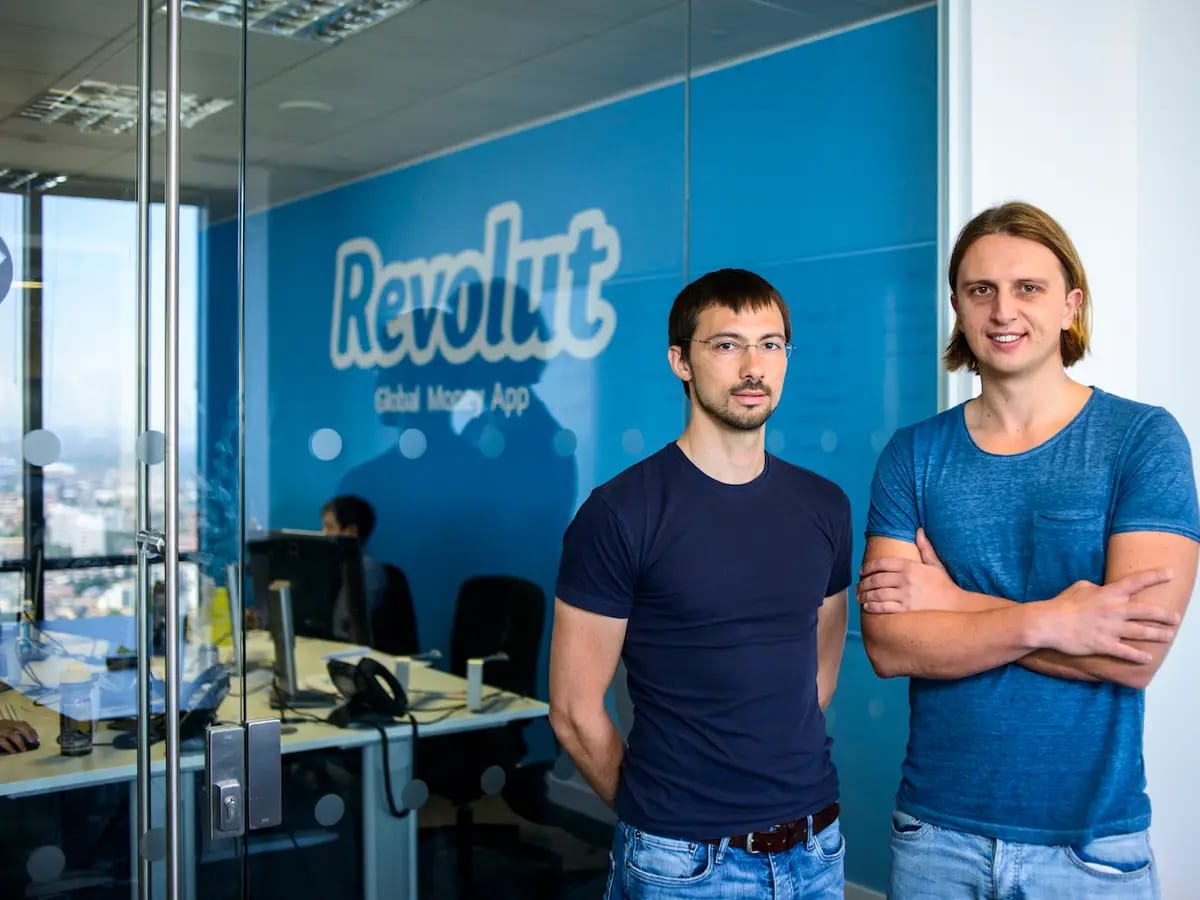
But behind this phenomenal growth is a compelling story of founder grit, creative risk-taking, and relentless determination — anchored by Nik Storonsky and Vlad Yatsenko. Their individual journeys laid the groundwork for a business that now challenges traditional banks and redefines how people manage money.
What is Revolut, and why does it matter
Revolut is a financial technology (fintech) company offering a borderless financial platform. It offers multi-currency accounts and debit cards, along with investment facilities, a cryptocurrency exchange, international transfers, and business accounts. Its digital-first strategy is particularly appealing to millennials, global travellers, and technology-minded consumers who value speed, transparency, and low fees.
Founders Who Saw Opportunity: Nik Storonsky & Vlad Yatsenko
The success of Revolut is rooted in the complementary strengths of its two co-founders:
- Nikolay Storonsky – Co-Founder & CEO
- Vlad Yatsenko – Co-Founder & CTO
Both founders brought distinct experiences and motivations to the project — turning shared frustrations with traditional banking into a vision for a global digital bank.
Nik Storonsky’s Journey — From Trader to Fintech Visionary
Early Life and Career in Finance
Nik Storonsky was born in Russia in 1984 and subsequently relocated to the UK, where he became a British citizen. Before founding Revolut, he pursued his career in investment banking at leading financial institutions such as Credit Suisse and the defunct Lehman Brothers. This experience offered deep insight into financial markets — especially how traditional banks charge high fees and struggle with modern digital expectations.
The Spark: A Frustration With Fees
The initial idea for Revolut came from a practical pain point: high currency exchange and international transaction fees. On trips abroad, Storonsky saw how much travellers lost to markup and commission charges — an insight that would shape his entrepreneurial vision.
Rather than accept the status quo, he envisioned a platform that could offer fair rates, low fees, and transparent services in a digital, mobile-first format — essentially a global financial “super app.”
Foundation of Revolut
In December 2013, Nar Storonsky, investing his own savings of about £300,000 (roughly $300,000), started building the prototype of what would become Revolut. He brought in Vlad Yatsenko — a seasoned software engineer — to join as co-founder and technical lead.
The first version of the Revolut app launched publicly in July 2015, offering a prepaid debit card and multi-currency exchange at interbank rates—a radical departure from traditional banks.
Vlad Yatsenko — The Technical Force Behind Revolut
A Software Engineer’s Rise
Vlad Yatsenko was born in East Germany to Ukrainian parents and built his technical expertise through work at major financial institutions, including Deutsche Bank and UBS. His background gave him first-hand experience with legacy banking systems — often rigid, outdated, and hostile to innovation.
When Storonsky approached him with the idea for a new fintech platform, Yatsenko saw an opportunity to remove inefficiencies with superior engineering. Together they began building a scalable financial platform — not just another app.
Building the Technology Foundation
Before going public, Yatsenko and Storonsky spent countless hours building a robust backend that could support multi-currency exchanges, secure logins, and integration with processors within and across jurisdictions — while meeting the requirements of evolving fintech regulations. That paved the way for Revolut to move beyond currency exchange to accounts, payments, and investment tools.
His engineering leadership ensured the product was reliable, compliant, and ready to scale globally — a monumental challenge for any fintech.
From London Startup to Global Fintech Powerhouse
Initial Growth and User Adoption
After launching in 2015, Revolut quickly gained traction — especially among travellers, freelancers, and expats seeking better financial tools. Initial adoption was fuelled by word of mouth, social media sharing, and hype from digital communities.
The company kept adding features:
- Multi-currency accounts
- Business accounts (Revolut Business)
- Crypto trading
- Stock trading
- Savings and insurance products
By diversifying offerings, Revolut grew far beyond its early identity as a travel fintech tool — becoming a full-fledged digital bank alternative for millions.
Raising Capital and Scaling Operations
Funding Milestones and Expansion
Revolut’s early fundraising success — including millions raised in seed and Series rounds — validated the founders’ vision. Backed by investors, the company built out global teams, product lines, and local banking licenses.
Its aggressive growth strategy included:
- Rapid expansion across Europe
- Global office openings
- Licensing in multiple countries (including EU banking authorisations)
- Diversifying into business banking and financial instruments
By 2025, Revolut had over 50 million customers worldwide and employed 10,000+ people, with revenues in the billions — a testament to rapid scale.
Achievements and Impact
Massive Valuation and Market Influence
Revolut’s achievements are staggering for a company just over a decade old:
- Consistently high growth in users and revenue
- Multi-product financial ecosystem
- Banking licenses and regulatory approvals across the UK and EU
- Valuation approaching $75 billion, making it one of the largest fintech companies in Europe
Such milestones have garnered global attention — and positioned Revolut as a fintech leader not just in the UK, but worldwide.
Innovating Financial Services
Revolut’s approach shattered traditional banking norms:
- Transparent pricing
- Sign up via digital channels
- Real-time exchange rates
- Support for new asset types, such as crypto
These innovations reshaped consumer expectations, forcing old-line banks to change or risk disappearing.
Challenges, Resilience, and Strategy
Despite rapid growth, Revolut has faced regulatory hurdles — particularly in securing full UK banking licences and meeting compliance requirements — a challenge that has tested management agility and strategic focus.
Storonsky and Yatsenko have navigated these with a high-stakes balance between innovation and oversight — a testament to their resilience.
Culture, Leadership, and Vision
Revolut’s internal culture is often characterized as demanding high performance, mirroring the founders' fervor. Although this is sometimes divisive, it has also driven the company’s fast pace of execution and never-ending product updates.
Storonsky’s leadership philosophy emphasises autonomy and ownership, believing great talent thrives when given freedom and responsibility — a mindset that shaped team dynamics during scale-up years.
Conclusion: Founders Who Redefined Banking
The Revolut story is not just a fintech success — it is a story of founders who transformed personal frustration into global disruption. Nik Storonsky, co-founder and CEO of Revolut, and Vlad Yatsenko, co-founder and CTO, leveraged their finance and engineering backgrounds to create a platform that upended established banking norms — with transparency, digital access, and customer-centric design at the forefront. From a small start to a world-class technology giant, their story shows how audacious vision, technical brilliance, and unrelenting determination can redefine industries — and the future of finance.
Alexander Wright
Alexander Wright is the Senior Editorial Lead at Prime World Media. Dedicated to delivering precise, high-impact investigative journalism and executive-level business insights from around the globe.