Israel Attacks Iran: Latest Updates, Strikes, and What It Means for the Middle East
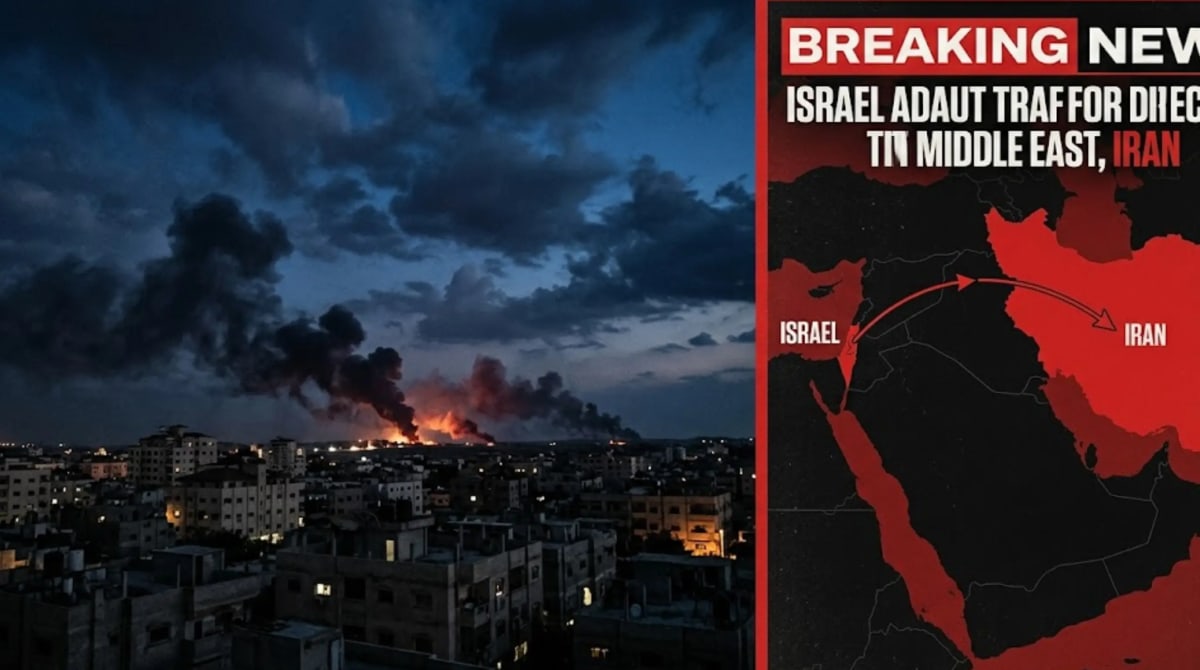
Most people following the Israel-Iran conflict are getting incomplete information. Not because the story is impossible to follow—it is not—but because they are reading fragmented headlines without the context that makes the developments meaningful.
The difference between understanding what is actually happening between Israel and Iran and feeling permanently confused by contradictory news alerts is almost entirely in having a clear framework for what each side wants, what each strike achieves, and where the escalation cycle is heading. This guide cuts through the noise.
What Happened — The Israel Strike on Iran Explained
Israel launched a direct military strike on Iranian territory in one of the most significant escalations in Middle East conflict in decades. The Israeli Defense Forces confirmed the operation targeted Iranian military infrastructure, missile production facilities, and air defense systems across multiple locations inside Iran.
The strike follows months of escalating tensions, Iranian proxy attacks across the region, and a direct Iranian ballistic missile barrage on Israeli territory that Israeli officials described as a red line requiring a decisive military response.
Why Israel Struck Iran — The Key Reasons
Israel's military and political leadership cited three primary justifications for the strikes. Iran's accelerating nuclear program, which Western intelligence agencies assess has moved closer to weapons-grade enrichment than at any previous point, represented the first and most urgent driver. Iranian-supplied missiles and drones reaching Israeli civilians through proxy networks represented the second. The third was restoring deterrence after Iran's direct missile attacks demonstrated that the era of proxy-only conflict had ended.
What Was Hit—Targets Inside Iran
Israeli strikes focused on Iran's air defense radar installations, long-range missile storage and production sites, and military command infrastructure in multiple Iranian provinces. Striking air defense systems first—a doctrine Israel has applied in previous regional operations—was designed to degrade Iran's ability to protect its own territory in any subsequent exchange.
Iran's Response and the Escalation Risk
Iran's initial official response combined public defiance with private diplomatic signaling through back channels—a pattern consistent with previous Iranian crisis management. The risk of full escalation involving Iranian retaliation, Hezbollah activation in Lebanon, Houthi intensification in Yemen, and pressure on US forces in the region represents the primary concern for Western governments monitoring the situation.
US, UK, and European Reaction
The United States stated it was not involved in the Israeli strikes while confirming it had been briefed in advance. The UK government called for restraint from all parties and convened an emergency session of the National Security Council. European governments, including France and Germany, issued joint statements urging de-escalation and protection of civilian infrastructure while stopping short of condemning the Israeli operation directly.
Oil Prices and Global Market Impact
Brent crude oil prices rose sharply following confirmation of the strikes, reflecting market concern about potential disruption to Gulf shipping lanes and Iranian oil exports. European energy markets reacted with immediate volatility. Analysts are watching the Strait of Hormuz—through which approximately 20 percent of global oil supply transits—as the most consequential potential pressure point if the conflict widens.
What Happens Next—Three Scenarios
The de-escalation scenario requires back-channel diplomacy to produce a mutual stand-down, with both sides claiming sufficient deterrence restored to justify restraint. This outcome is possible but depends on Iranian domestic political calculations that are difficult to read from outside.
The contained escalation scenario involves Iranian retaliation through proxies—Hezbollah, Houthi forces, and Iraqi militia groups—rather than a direct Iranian military response, keeping the conflict below the threshold that would trigger direct US military involvement.
The full escalation scenario—a direct Iranian military response to Israeli territory, drawing in US forces under mutual defense commitments—represents the low-probability but high-consequence outcome that Western governments are working most urgently to prevent.
Why This Conflict Matters Beyond the Middle East
The Israel-Iran conflict is not a regional dispute with regional consequences. Iranian nuclear capability changes the security calculus for every country in the Middle East and for NATO's southern flank. Iranian missile technology transferred to Russia and deployed in Ukraine has already made this conflict a European security issue. Energy price volatility triggered by Gulf instability affects household bills in the UK, Germany, France, and across the continent directly.
The gap between following this story through headlines and understanding what is actually at stake is substantial. The developments are moving fast. The context is what makes them legible.