Best Locro de Zapallo Near Me: Your Complete Guide to Finding and Making Peru's Most Comforting Stew
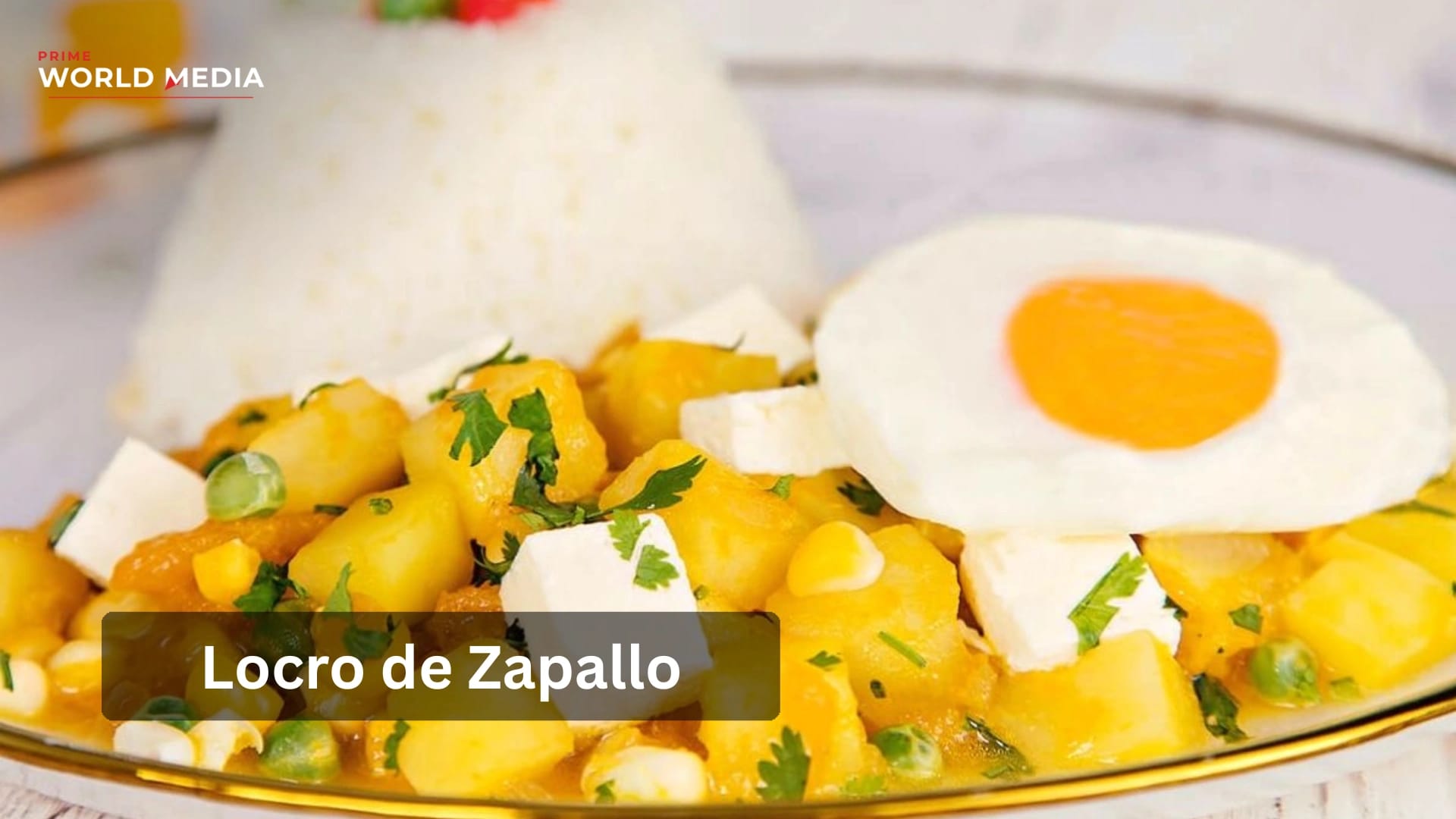
There are some food items that we prepare just for special occasions. But other foods can be prepared, especially on Tuesdays when the temperature is really low outside, to fill you up and make you happy about this world.
This particular dish falls into this category.
The locro de zapallo soup has fed millions of people in the Peruvian Andes for centuries now. This soup is very nourishing and primarily contains ingredients from South America. The soup is made from the products cultivated for years together in South American lands. So if you're looking for information on this locro soup, here it is!
What Is Locro de Zapallo?
In the Andean region, the word zapallo derives from a Quechua term for a type of stew. Again, zapallo has two meanings. It may refer to the Spanish or to a type of squash or pumpkin from Peru and the Andes. One type of zapallo, zapallo macre, is a unique variety of Cucurbita maxima with smooth, bright orange flesh that is sweet, substantial, and can be used as a base for a locro de zapallo.
The two words, when combined, simply give the basic definition of locro de zapallo, a winter comfort-food stew made with squash. Many expect it to be a more complex dish, but again, it is a very simple order; however, this is a considerable selling point.
When locro de zapallo becomes thick and creamy with a moderate level of spiciness and with the added richness of ripe aji amarillo paste, the ripeness of the zapallos makes for an overall thick, creamy, and watery texture because the zapallos have been included in the mixture and have dissolved, in part, into the mixture at the same time. The potatoes provide additional thickness via the starch they contain. The corn adds sweetness and color to the dish. The peas add a fresh taste, while the queso fresco (fresh cheese) at the end gives the locro de zapallo a creamier consistency.
This means it is by no means a light meal or a meal to be eaten while watching television.
Where It Comes From: A Dish Rooted in Andean History
The classification of locro as a type of stew existed long before Europeans arrived in America.
Originally, it came from the Andes, where it was made with potatoes from Peru. It should be noted that local Peruvians have cultivated potatoes since ancient times. With the arrival of the conquistadors in the late 16th century, this stew became known and registered. In the Spanish sources of those years, there is a reference to locro, a hearty stew made by the natives.
Over time, locro was supplemented. Squash gained increasing importance, particularly squash macer. It is worth noting that, because of Europe, milk began to be used. Today, locro de zapallo contains evaporated milk or fresh cheese.
It's more than just a Peruvian plate. Argentina, Bolivia, Ecuador, and Chile also know locro.
The Argentinian version is a whole other thing - it's a meat-heavy stew you eat for the national holidays. The Peruvian preparation is milder, more plant-based, and many families make it completely vegetarian.
There's also a wide range of differences within Peru itself. Coastal versions , perhaps with shrimp. Highland versions are more traditional; they stick closely to the original vegetable base. Some household chefs add aji panca with the aji amarillo to give a smokier, deeper heat. Others cook it plain so the children can eat it without problems.
All these versions have the squash in common. It is always the star.
The Key Ingredients and Why They Matter
If you're making zapallo at home or can find it in your area, it is important to be familiar with the different kinds of zapallos so you can pick the right ones for these dishes.
The zapallo type used in Peru to prepare this dish is the zapallo macre (squash). Still, if you do not live in Peru, it may be difficult to locate any zapallos. Some good alternatives to zapallo would be Hubbard, Kabocha, Calabaza, and Oregon pumpkin. Any of those types would work as long as they can hold their shape; as they cook, they will lose volume. Any squash that contains only water will not be a good choice.
The aji amarillo's flavor gives locro de zapallo its uniquely Peruvian character. Its fruity and slightly hot flavor is one-of-a-kind, distinct from any other chili variety. The paste version of this chili is available at almost all Latin American grocery stores. The paste needs to be sautéed in oil during the initial stages of preparation to release its flavor, rather than being added later. The absence of aji amarillo can be compensated for with turmeric and a yellow chili.
Potatoes add starch and bulk to the dish; the floured variety is typically best for Peruvian cooking because it softens somewhat. For cooked varieties, other cultures have used Maris Piper potatoes from the UK or Yukon Gold potatoes from North America. The potatoes should be roughly the same size as the squash pieces.
Choclo is the name of the corn grown in Peru and is a chewy, starchy variety. Most Latin American grocery stores carry frozen choclo. You could use sweet corn instead.
Queso fresco is the cheese of choice because it has a mildly salty flavor and a crumbly texture, and it will melt into the stew as you stir it in during the last few minutes of cooking. If you can't find queso fresco, use feta; if you want to go vegan, use coconut milk instead of the cheese and cow's milk.
Huacatay (black mint) is an herb with a flavor similar to anise and is used in many Peruvian dishes, but can be difficult to find outside of South America. Cilantro is the most popular substitute and works well, but some recipes will use both.
How to Find Locro de Zapallo Near You
Finding locro de zapallo (a pumpkin soup) outside of your home may be a challenge since it is unlikely to appear on menus near where you live.
Chewing Happiness indicates that there are very few places to find locro de zapallo in restaurants, because it is generally made at home, easy to prepare, and not a dish for an upscale restaurant. However, you can find locro de zapallo if you look closely.
Search for restaurants known for Peruvian cuisine. In 2026, Peruvian cuisine has reached a point where it is flourishing in many major metropolitan areas (e.g., London, New York, Los Angeles, Sydney, and so on). There have to be some traditional-style, community-based restaurants that offer a locro de zapallo as an occasional or rotating menu item.
Also, look for lunch specials since lunch is considered the main meal in Peru. The majority of
Peruvian restaurants that are geared toward the Peruvian community will offer a daily menu (del día) that rotates and features home-style dishes not available in the evening on the à la carte menu. Locro de zapallo is also much more likely to be offered as a lunch special than in an evening à la carte edition.
Explore Bolivian, Ecuadorian, and Argentine restaurants. Each of these types of food also has its own variation on locro. It will probably not be the same as the locro in Peru, but the dish's essence will remain the same. The Bolivian locro de verduras or the Ecuadorian locro de papas will give you a taste of the Andean soup culture.
Visit Latin American grocery stores with hot food counters. In many cities, the most authentic versions of traditional dishes are not found in restaurants at all. Latin American grocery markets with prepared food sections often make traditional dishes fresh daily for the local community. These are worth seeking out and are usually considerably more affordable than restaurant versions.
Use specific search terms. A search for locro de zapallo, rather than just Peruvian food, will produce more targeted results. Adding your city name after a dish name will bring up results that include food bloggers, community pages, and local guides, which you won't find by just searching for general restaurant listings.
How to Make It at Home
When it's not being squeezed out on every street corner, making locro de zapallo at home is one of the better South American cooking projects you can tackle. It is truly simple to prepare, gratifying, and, unless you do something really stupid, you can't mess it up if you follow a few basic rules.
The traditional recipe serves 4 people and takes about 45 minutes.
You will need about 700 g of peeled and cubed squash or pumpkin,3 medium sized potatoes peeled and cubed, 2 Tbsp of aji amarillo paste,1 big onion diced finely, 4 garlic cloves minced, a cup of frozen corn kernels,1/2 cup of peas,1/2 cup of evaporated milk, 100 g of crumbled queso fresco or feta, vegetable or chicken stock, oil, salt and pepper and cilantro or huacatay for garnish.
Heat 2 tbsp of oil in a large, heavy-bottomed pan over medium heat. Add a spoonful of chopped onion and a pinch of salt to the skillet, and sauté until translucent, about 5 minutes. Add the minced garlic and sauté for another minute, then add the aji amarillo paste and cook for 2 more minutes, stirring. It is a very important process because this is when the paste fully flavors.
Add 2 cups of squash and cover it slightly with stock – there should be just enough to cover it.
Bring the mixture to a boil, then lower the temperature to a simmer. Allow the ingredients to simmer, covered, for about 15 minutes, until the squash begins to soften. Add the potatoes and cook for 10 to 12 minutes, until the squash and potatoes soften. Then mash some of the squash against the sides of the pot with the back of a spoon.
Then add the corn and peas. Add the evaporated milk to that. Let it simmer for five minutes uncovered. Take it off the heat, then add the queso fresco. Season it if needed.
In Peru, the conventional way to serve the stew is with steamed white rice and a fried egg on top, with the yolk runny and dripping into the stew as you eat. This may sound odd, but when done, it makes sense because of the protein it adds to the plate.
Common Mistakes Worth Knowing About
A few things consistently undermine what should be a reliably good dish.
Using watery squash is the most common problem. Varieties like courgette or marrow have too high a water content and will not produce the dense, creamy texture that makes locro de zapallo distinctive. Stick to dense winter squash varieties.
Skipping the aji amarillo bloom is the second mistake. Adding the paste at the end of cooking rather than at the beginning skips the step that fully develops its flavor. It is worth the two extra minutes.
Under-seasoning at the end is also very common. Squash and potatoes both absorb a lot of salt as they cook. Always taste and adjust seasoning after adding the cheese and milk, not before.
Making it too far ahead and reheating it aggressively breaks down the texture further than intended. Locro de zapallo is at its best immediately after cooking or gently reheated the next day. It improves overnight as the flavors meld, but aggressive high-heat reheating turns it into mush.
Vegan and Dietary Variations
There is virtually no need to "adapt" locro de zapallo, as it already caters to the health-conscious who want to eat well. The first half of the recipe is vegetable-based, and there is no meat. To make a vegan dish, leave out the evaporated milk, replace it with coconut milk, and either omit or replace the cheese. The stew is, without a doubt, very flavorful and dairy-free. You just have to make sure that you add the aji amarillo paste correctly!
Also, this product is naturally gluten-free. This recipe is great for anyone who only needs to eat whole foods. This dish is high in vitamins A and C, as well as fiber from squash. Potatoes provide more potassium and carbohydrates; cheese and beans provide protein. When you are watching your calories, skip the cheese and use less oil.
The Nutritional Case for Eating This Regularly
It is extremely nutritious and unfairly so since it tastes so good.
The squash vegetable is highly nutritious. It contains a lot of vitamin A in the form of beta-carotene, which gives the meal its orange color, along with vitamins C, potassium, magnesium, and fiber. Aji amarillo provides nutritional value, one being capsaicin, which has been found to fight inflammation.
There is a misconception that potatoes are unhealthy because they can be turned into unhealthy junk food if fried. However, potatoes are extremely nutritious if prepared correctly. The vegetable contains high amounts of potassium, vitamin B6, vitamin C, and resistant starch.
Corn and peas add more fiber and protein content. Queso fresco also provides calcium and a higher protein content. This meal provides a variety of nutrients from natural sources, with no processed ingredients.
This is something that traditional food culture has realized for many years now. The tastiest meals are also the most nutritious.

